
Why Your Tap Water Smells Like Rotten Eggs (And How to Fix It)
Turning on the faucet to wash your face or grab a drink of water should be a refreshing experience. But when you are immediately hit with the distinct, unpleasant odor of rotten eggs, that refreshing moment quickly turns into a cause for concern. If you are noticing a strong sulfur smell coming from your household plumbing, you are not alone. This is a surprisingly common issue for homeowners, and while it can be alarming, it is rarely a sign of a dangerous health hazard.
However, a foul odor in your water supply does indicate that something within your system needs attention. The smell is caused by hydrogen sulfide gas, which can originate from a few different places in your home's water system. Figuring out exactly where the smell is coming from is the first step toward getting your home back to normal.
Whether you are dealing with a localized drain issue or a widespread problem requiring comprehensive residential and commercial plumbing repairs, understanding the root cause will help you make informed decisions. Let's break down why your tap water might smell like sulfur and what you can do to resolve the issue.
Step One: Isolate the Source of the Smell
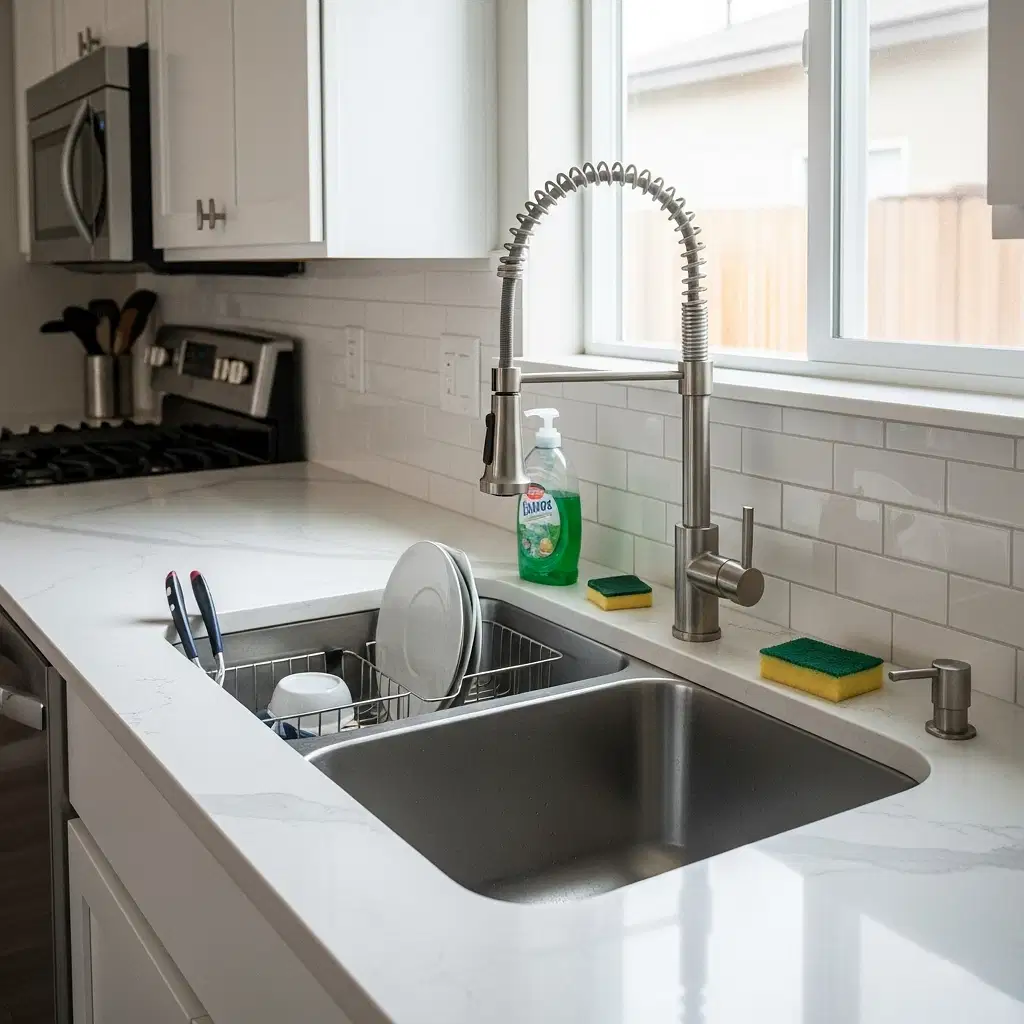
Before you start worrying about your entire water supply, it is helpful to determine if the odor is actually in the water itself or if it is coming from the drain sitting directly below the faucet. Often, what seems like smelly water is actually a smelly sink.
To test this, take a clean glass and fill it with water from the offending tap. Step away from the sink and take a smell of the water in the glass. If the water in the glass smells fine, but you still smell rotten eggs when you stand near the sink, the problem is almost certainly your drain.
The Drain and the P-Trap
Over time, organic matter like food particles, soap scum, and hair can accumulate in your drain pipes. As this bacteria breaks down, it releases hydrogen sulfide gas. When you turn on the tap, the water displaces the gas resting in the pipe, pushing that rotten egg smell up into the room.
Another common culprit is a dry P-trap. The P-trap is the curved pipe beneath your sink designed to hold a small amount of water, which acts as a barrier preventing sewer gases from rising into your home. If you have a guest bathroom that rarely gets used, or if you just returned from a long weekend trip Up North, the water in that trap may have simply evaporated.
If running water for a few minutes doesn't solve the issue, or if you suspect a deeper clog is causing organic matter to rot, you may need professional drain cleaning and clog removal to fully clear the pipes and eliminate the odor at its source.
When Hot Water is the Culprit
If you performed the glass test and the water itself definitely smells, the next step is to determine if the odor is present in both the hot and cold water, or just the hot water. In the vast majority of cases, homeowners find that the sulfur smell only occurs when they turn on the hot tap.
If this is happening in your home, the issue is almost certainly originating inside your water heater. Traditional tank water heaters contain a component called an anode rod. This rod is made of magnesium or aluminum, and its job is to attract corrosive elements in the water, sacrificing itself so that the lining of your water heater tank doesn't rust.
However, if your water supply naturally contains certain types of harmless sulfate bacteria, these bacteria can react with the magnesium anode rod. This chemical reaction produces hydrogen sulfide gas, which then gets trapped inside the closed environment of your water heater tank. Every time you turn on the hot water, that trapped gas travels through your pipes and out of your faucet.
Resolving this usually requires flushing the water heater tank to remove bacterial buildup and replacing the standard magnesium anode rod with an aluminum-zinc alloy rod, which does not produce the same smelly reaction. Because dealing with high-voltage heating elements, gas lines, and pressurized tanks can be dangerous, it is always best to rely on a licensed professional for water heater repair and replacement. Modern plumbing technology has also advanced significantly; some homeowners opt to avoid tank issues altogether by upgrading to tankless systems or utilizing smart home leak detection to monitor their system's health remotely.

The Role of Hard Water and System Longevity
It is also worth noting how our local water composition plays a role in these issues. In East Idaho, our groundwater naturally carries a high mineral content, commonly known as hard water. While hard water is generally safe to drink, it is notoriously tough on household plumbing.
High mineral content accelerates scale buildup inside your pipes, fixtures, and especially your water heater. This scale can create an ideal breeding ground for the very bacteria that cause sulfur smells. Furthermore, untreated hard water can drastically reduce the lifespan of your appliances.
To combat this, we often recommend the installation of whole-home water softeners. By removing the excess calcium and magnesium from the water before it travels through your home, a water softener protects your entire system. When combined with durable materials like flexible PEX piping, which naturally resists scale buildup, you can ensure the longevity and efficiency of your plumbing infrastructure. Taking these preventative steps not only keeps your water smelling fresh but also saves you significant money on premature repairs and replacements.
Let RADtech Services Clear the Air
Dealing with foul-smelling water can be highly frustrating, and diagnosing the exact cause takes a trained eye. We understand that inviting a contractor into your home requires trust. You need a team that respects your property, communicates clearly, and offers transparent pricing without any hidden diagnostic surprises.
At RADtech Services, our family-owned team brings years of combined industry experience to every job. Whether you need a simple drain clearing, a complex water heater flush, or comprehensive plumbing troubleshooting, our licensed and insured technicians are ready to provide reliable, long-term solutions.
If you are tired of dealing with water that smells like rotten eggs, don't wait for the problem to get worse. Contact our team in Rexburg today to schedule an inspection. We will accurately diagnose the issue, explain your options clearly, and restore the comfort and safety of your home's water supply.