Diagnosing and Fixing a Continuously Running Toilet
There are few household sounds as universally frustrating as the endless hiss and trickle of a toilet that just won't stop running. Not only is the noise a constant nuisance, but a running toilet can also waste hundreds of gallons of water every day, causing an unpleasant spike in your monthly utility bill. For homeowners in East Idaho, where hard water is a common hurdle, plumbing fixtures often endure extra wear and tear, making this a frequent household issue.
At RADtech Services, we believe in empowering our community with the knowledge they need to maintain their homes efficiently. While we are always ready to provide comprehensive plumbing services, many minor toilet issues can be identified and resolved without professional help. If you have been wondering what causes a toilet to run continuously and how to stop it, you are in the right place.
In this guide, we will walk you through the most common culprits behind a running toilet, how to troubleshoot the problem, and when it might be time to call in a trusted local expert.
What Are the Causes of a Constantly Running Toilet?
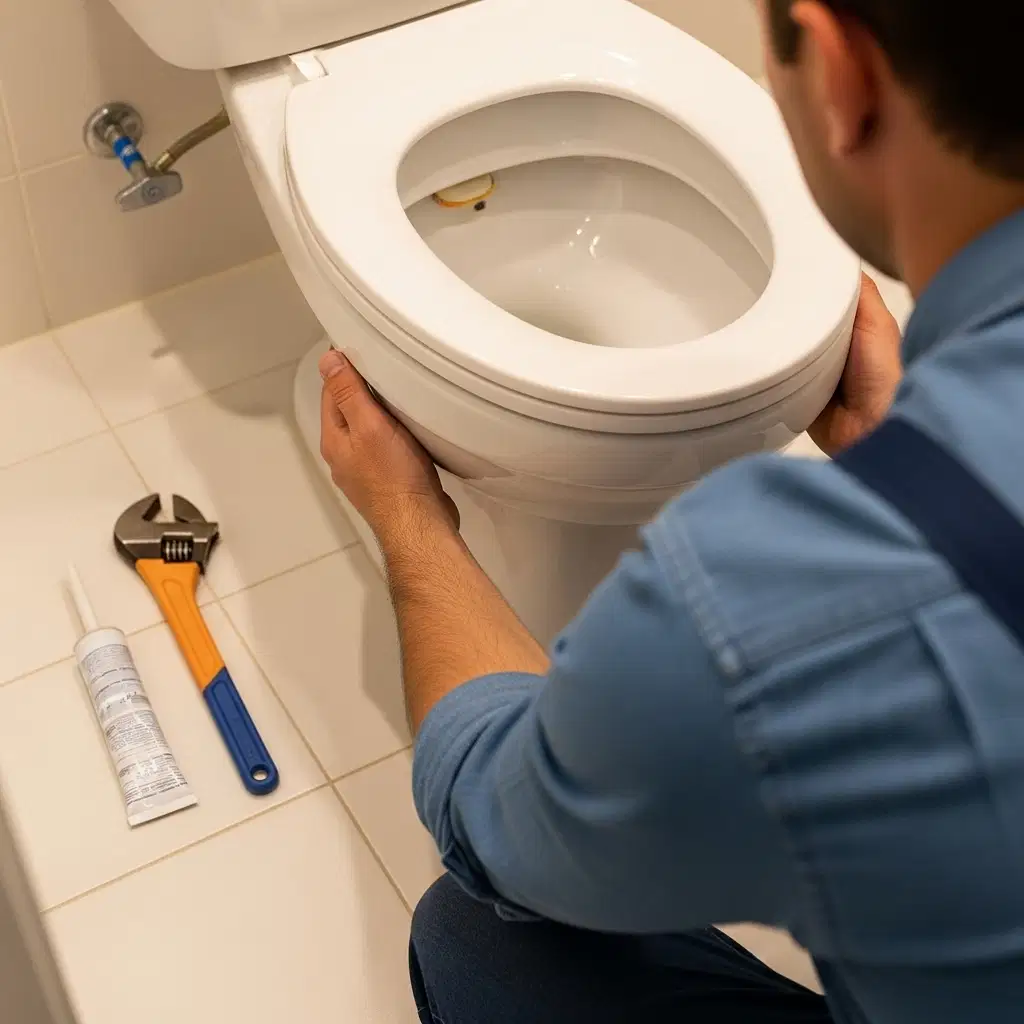
To understand how to fix the issue, it helps to know a little bit about how your toilet works. When you press the handle, a chain lifts a rubber flapper, allowing water to rush into the bowl. Once the tank empties, the flapper drops back down to seal the flush valve. A fill valve then kicks in, refilling the tank until a float signals that the water has reached the correct level.
When a toilet runs constantly, it means something in this cycle is failing to seal or shut off properly. The most common causes of a constantly running toilet include:
- A Worn or Warped Flapper: Over time, the rubber flapper that seals the water in the tank can degrade. In areas with hard water, scale buildup from calcium and magnesium can accumulate on the flapper and the flush valve seat, preventing a watertight seal.
- An Improperly Sized Chain: If the chain connecting the handle to the flapper is too short, the flapper cannot close completely. If it is too long, it can get trapped underneath the flapper, leaving a gap for water to escape.
- A Misadjusted Float: The float controls the water level in the tank. If the float is set too high, water will continuously spill into the overflow tube, causing the fill valve to run non-stop.
- A Faulty Fill Valve: Age and mineral deposits can cause the fill valve itself to fail, meaning it will never completely shut off the water supply to the tank.
Your Running Toilet Troubleshooting Guide
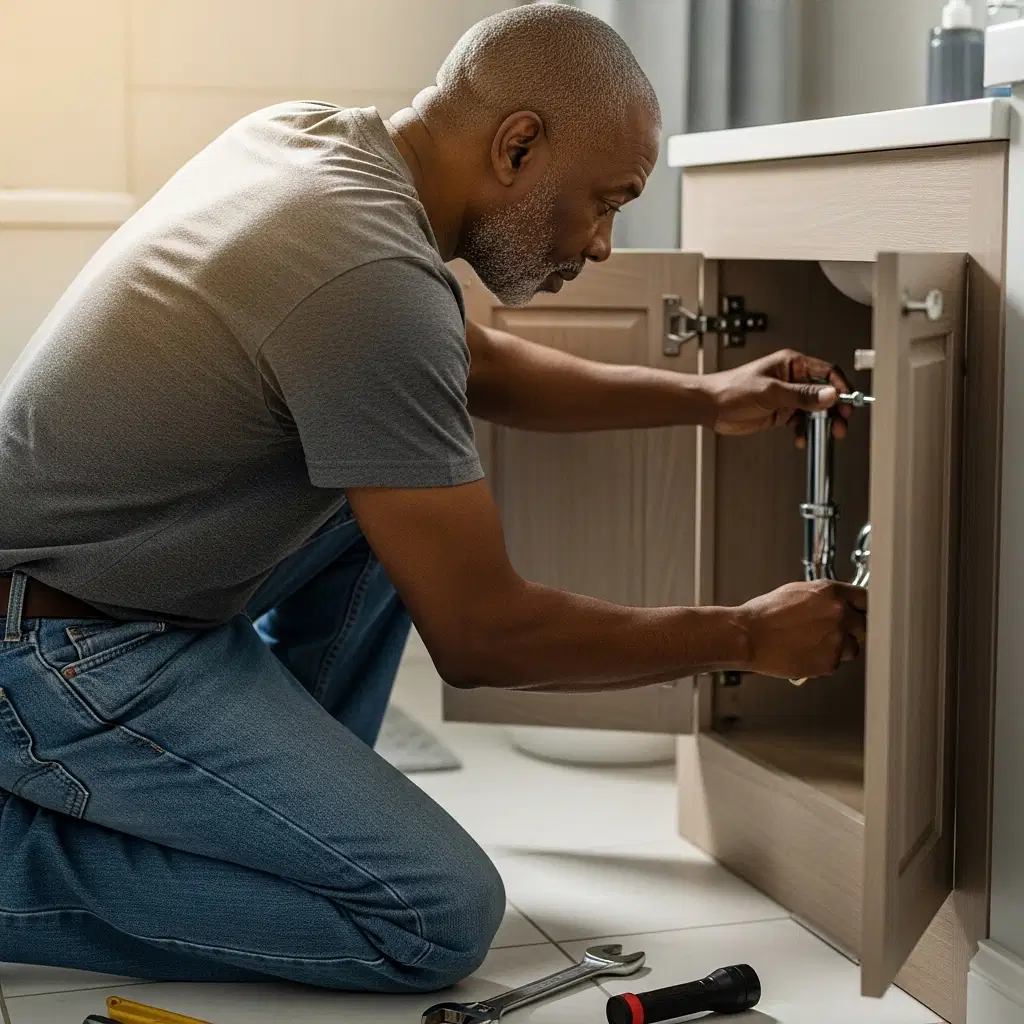
Before you panic or assume you need a complete bathroom overhaul, you can perform a few simple diagnostic steps. Follow this running toilet troubleshooting guide to see if you can resolve the issue yourself.
Step 1: Check the Water Level and Float
Remove the tank lid and observe the water level. It should sit about an inch below the top of the open overflow tube. If water is actively pouring into the overflow tube, your float is set too high.
To fix this, adjust the float mechanism. On older toilets with a float ball on a brass arm, you can gently bend the arm downward. On newer models with a float cup that slides up and down the fill valve shank, look for an adjustment screw at the top of the valve. Turn it counterclockwise with a screwdriver to lower the water level.
Step 2: Inspect the Chain
Look at the chain attached to the flush lever. It should have a slight amount of slack when the handle is at rest. If it is pulled tight, unhook it and move it up a link or two to give the flapper enough room to close. If there is too much slack, shorten the chain so it does not get tangled beneath the flapper.
Step 3: How to Fix Running Toilet Flapper Issues
If the water level and chain look fine, the flapper is the most likely culprit. Turn off the water supply valve located on the wall behind the toilet, and flush to drain the tank. Run your finger along the rubber flapper and the rim it sits on. If you feel mineral grit or scale buildup, carefully wipe it away with a sponge and white vinegar.
If the flapper is warped, cracked, or feels brittle, cleaning won't help. You will need to replace it. Simply unhook the old flapper from the pegs on the overflow tube, take it to your local hardware store to ensure you buy an exact match, and snap the new one into place.
Step 4: When to Replace Toilet Fill Valve Assemblies
If you have replaced the flapper, adjusted the float, and checked the chain, but the toilet is still running, the fill valve has likely worn out completely. Knowing when to replace toilet fill valve components is crucial for preventing long-term water waste. Fill valves generally last about five years. If yours is sputtering, leaking from the top, or failing to shut off despite a properly adjusted float, it is time for a replacement. While a handy homeowner can tackle this, it does involve partially dismantling the tank's water connection.
Knowing When to Call for Plumbing Repair
While swapping out a flapper or adjusting a chain is straightforward, plumbing repairs can sometimes uncover larger issues. If your toilet is older, constantly requires repairs, or lacks modern water-saving features, it might be time to consider upgrading to an EPA WaterSense-certified model. Upgrading can significantly reduce your household water consumption, which is a great step toward both environmental sustainability and lower utility bills.
We understand that dealing with home repairs can be stressful, especially when you are worried about unclear upfront pricing or low-quality parts. At RADtech Services, our licensed and fully insured technicians prioritize clear communication and transparent estimates. We will never start a job without making sure you understand the cost and the scope of the work.
If you have followed our troubleshooting steps and that toilet is still running, or if you simply prefer to have a licensed professional handle the dirty work, we are here to help. Whether you need a simple Faucet, Showerhead & Toilet Repair to get things running smoothly again, or you are looking for complete Fixture Installation & Replacement to modernize your bathroom, our team delivers long-term, efficient solutions.
Don't let a running toilet drain your patience or your wallet. Reach out to RADtech Services today, and let us bring peace and quiet back to your home.